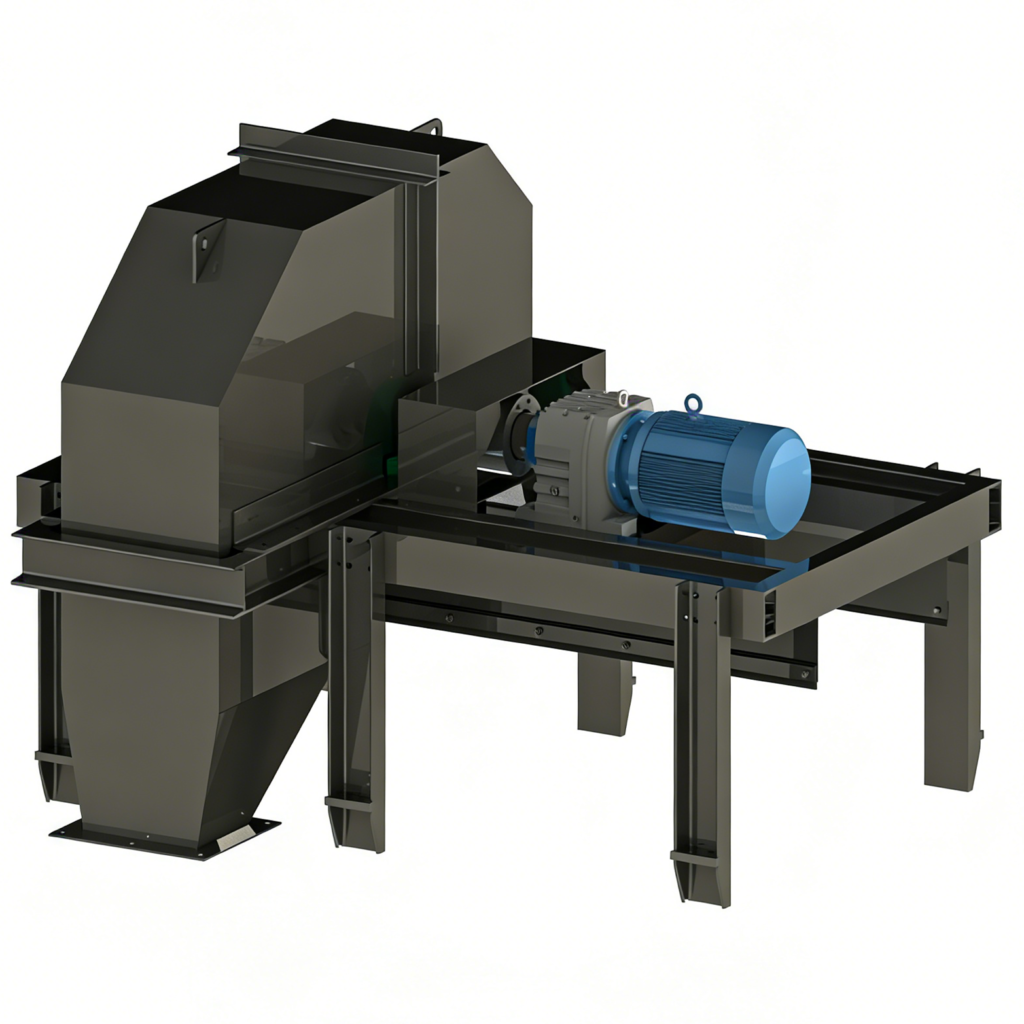
In modern industries such as mining, cement, power plants, and ports, accurate material analysis is critical for quality control and operational efficiency. A belt sampler plays a vital role in ensuring representative sampling of bulk materials directly from conveyor belts. As industries demand higher precision and automation, belt samplers have become an indispensable part of material handling systems.
What Is a Belt Sampler?
A belt sampler is an automated device designed to collect material samples from a moving conveyor belt. It ensures that the collected sample represents the entire material stream, enabling accurate testing and analysis.
There are several types of belt samplers, including:
- Cross belt sampler – collects samples across the full width of the belt
- Sweep arm sampler – uses a rotating arm to gather material
- Hammer sampler – suitable for specific applications like coal
These systems are widely used in industries where bulk material quality directly impacts production and profitability.
Key Benefits of Using a Belt Sampler
1. Accurate Sampling
A belt sampler ensures consistent and representative sampling, reducing human error and improving data reliability.
2. Automation and Efficiency
Modern belt samplers operate automatically, minimizing manual intervention and improving workflow efficiency.
3. Compliance with Standards
Many industries require strict sampling standards. A belt sampler helps companies comply with international quality regulations.
4. Reduced Labor Costs
By automating the sampling process, companies can significantly reduce labor costs and improve safety.
Belt samplers are widely used across multiple industries, including:
Applications of Belt Samplers
- Mining Industry – for coal, iron ore, and mineral sampling
- Cement Plants – ensuring raw material consistency
- Power Plants – monitoring fuel quality
- Ports and Terminals – sampling bulk materials during loading and unloading
Their versatility makes them a critical tool in any bulk material handling operation.
How to Choose the Right Belt Sampler
Selecting the right belt sampler depends on several factors:
- Material type – size, moisture, and abrasiveness
- Conveyor speed and width
- Sampling accuracy requirements
- Installation environment
For example, a cross belt sampler is ideal for high-precision applications, while a simpler system may suffice for less demanding operations.
Why Belt Samplers Are Important for Your Business
Investing in a high-quality belt sampler can significantly improve product quality, reduce waste, and enhance operational efficiency. Accurate sampling leads to better decision-making, ensuring that your production process meets both customer expectations and industry standards.
Conclusion
A belt sampler is more than just a sampling device—it is a key component in maintaining quality control and operational excellence. As industries continue to move toward automation and precision, adopting an advanced belt sampler system is a smart investment for long-term success.
If you are looking to optimize your bulk material handling system, integrating a reliable belt sampler is the first step toward achieving consistent and accurate results.